

Cost of Vapor Barrier Installation in Cleveland, OH
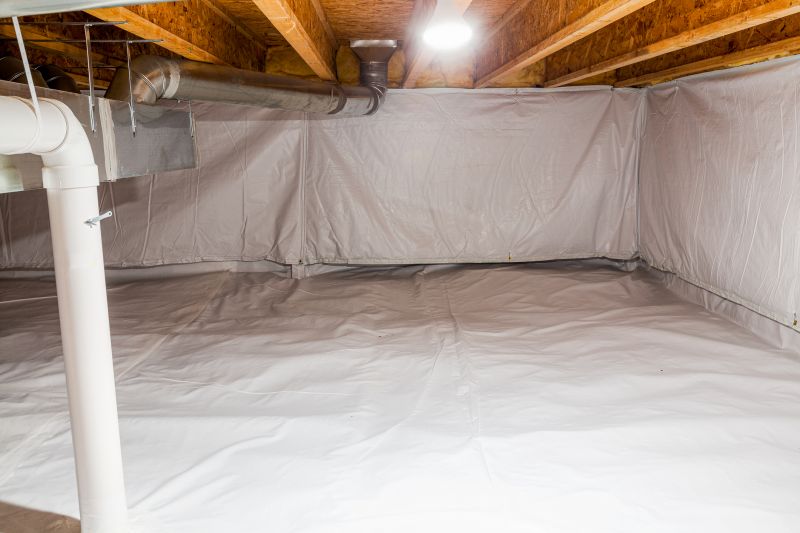
Vapor barrier installation in Cleveland, OH typically involves the placement of a moisture-resistant membrane to prevent ground moisture from penetrating building foundations or floors. The overall cost can vary based on the size of the area, the type of materials selected, and the complexity of the site conditions. Factors such as existing structures, accessibility, and preparation work can also influence final pricing.
Since project costs depend on multiple variables, it is recommended to obtain detailed estimates from local providers to compare options. Final pricing will be affected by the scope of work, chosen materials, labor requirements, and specific site conditions, which can differ from one project to another. This helps ensure a clear understanding of potential costs before proceeding with vapor barrier installation in Cleveland, OH.
Typical Cost Range
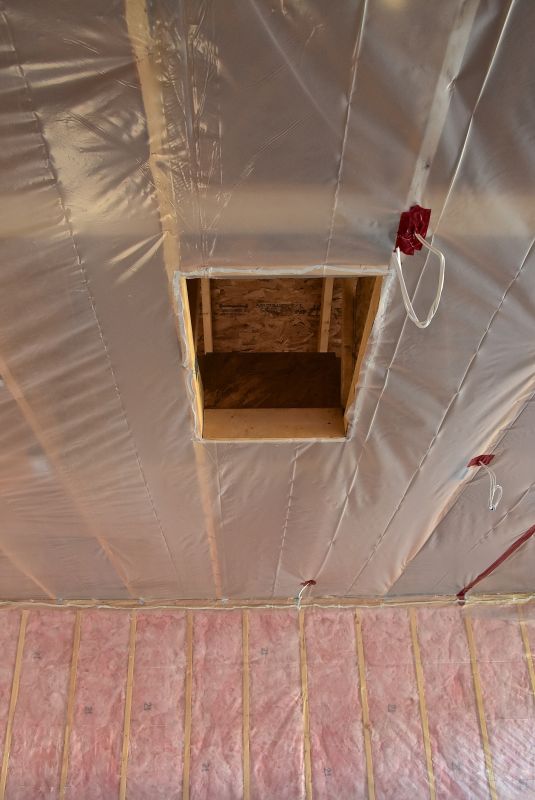

Factors Affecting Installation Cost
Vapor barrier installation in Cleveland, OH, is an important step in managing moisture and improving indoor air quality in residential and commercial buildings. Proper installation can help prevent mold growth, reduce humidity issues, and protect building foundations. Understanding the typical scope and considerations can assist in planning and budgeting for this project.
- Materials: Common vapor barrier materials include polyethylene sheeting, typically 6-mil or thicker, suitable for basement and crawl space applications in Cleveland's climate.
- Size and Scope: Projects range from small crawl space areas to larger basement spaces, with coverage determined by the area needing protection and the thickness of the barrier.
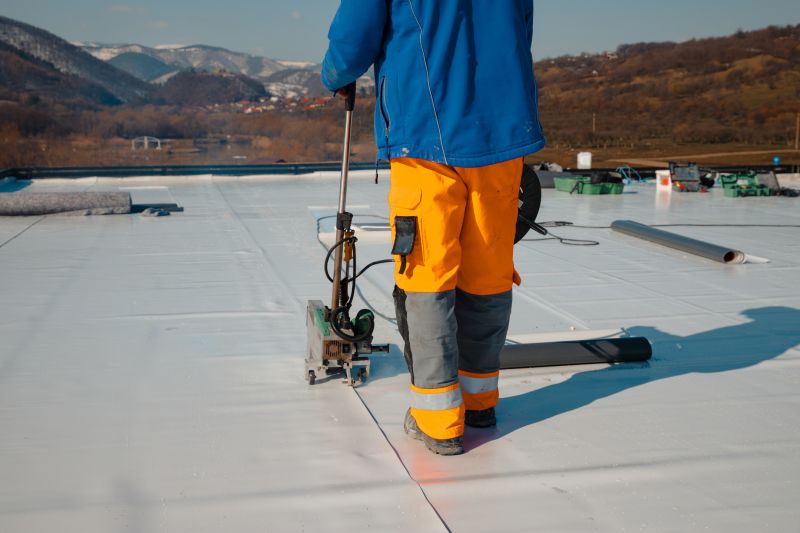
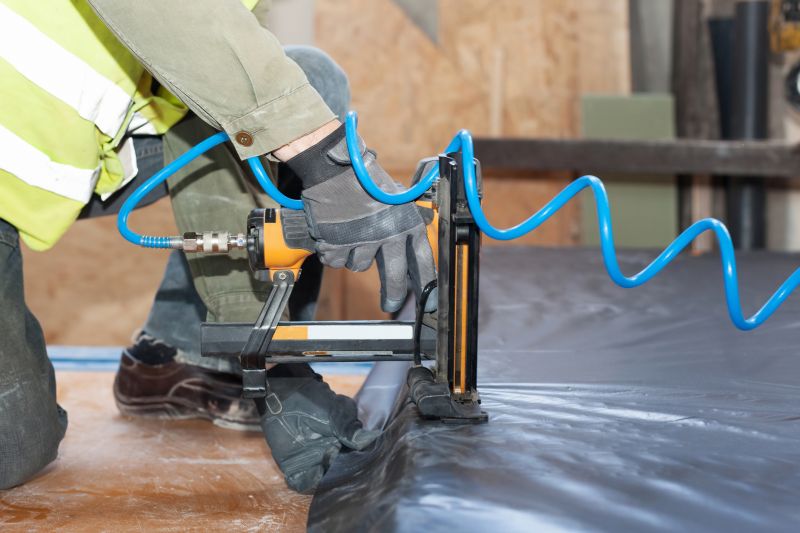
- Labor Complexity: Installation involves laying out, cutting, and sealing the barrier properly, which can vary from straightforward to more complex based on access and existing conditions.
- Permitting: Local building codes in Cleveland may require permits for vapor barrier installation, especially in new construction or major renovations.
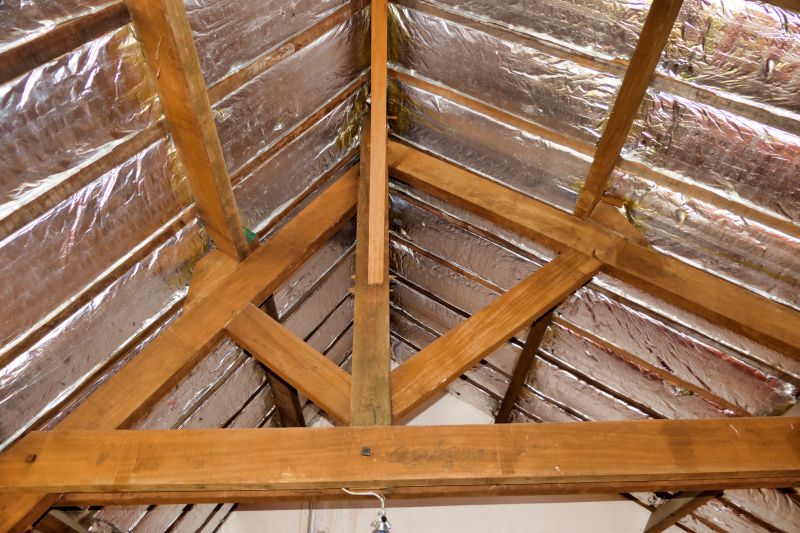
- Extras: Additional components such as sealing tapes, insulation, or drainage mats may be included to enhance moisture control and durability.