

Cost of Vapor Barrier Installation in Aurora, OH
Vapor barrier installation in Aurora, OH, typically involves several factors that influence the overall project cost. These include the size of the area to be covered, the type of materials selected, and the complexity of the site conditions. Labor costs can also vary depending on the scope of work and accessibility of the installation site. Since final pricing depends on these variables, it is recommended to obtain detailed quotes based on the specific requirements of each project.
Estimating the cost for vapor barrier installation requires considering the scope of work and the materials chosen. Prices can fluctuate based on the thickness and quality of the vapor barrier, as well as the surface preparation needed. Site conditions, such as existing foundation issues or obstructions, may also impact the overall expense. To compare options effectively, it is helpful to request multiple estimates that account for these factors and clarify what is included in each quote.
Estimated Cost Range
$1,200 - $2,800 (smaller scope)
$2,500 - $5,000 (moderate scope)
Vapor barrier installation costs in Aurora, OH, typically vary based on project size and material choices. Understanding the typical expenses can help in planning and budgeting for the project.
Factors influencing costs include the area to be covered, type of vapor barrier material, and existing conditions of the space.
| Project Type | Typical Range |
|---|---|
| Basement Vapor Barrier | $1,200 - $2,800 |
| Garage Vapor Barrier | $1,000 - $2,500 |
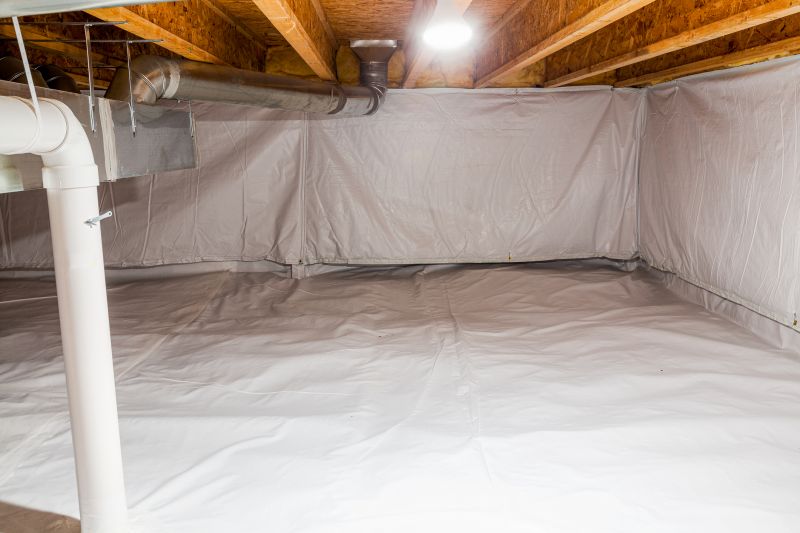
| Crawl Space Vapor Barrier | $1,000 - $3,000 |
| Slab-on-Grade Vapor Barrier | $1,500 - $4,000 |
| Whole House Vapor Barrier | $4,000 - $10,000 |
Factors Affecting Cost
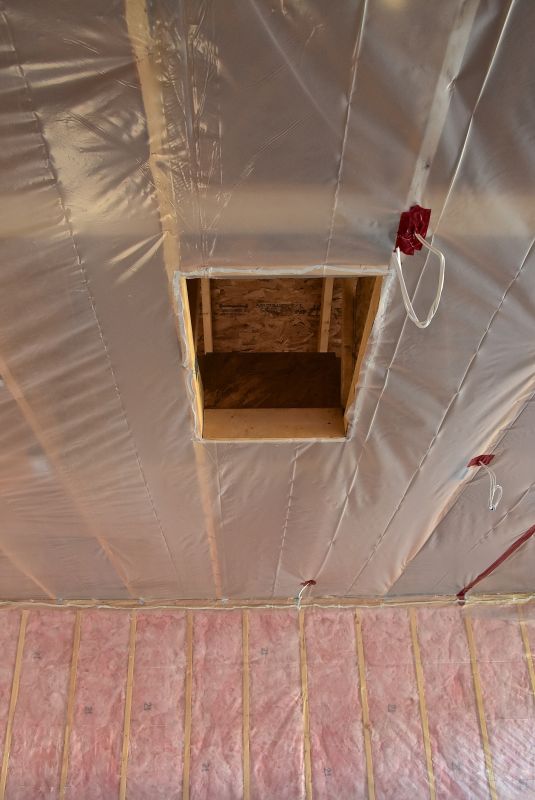
Vapor barrier installation is an important step in managing moisture and preventing mold growth in building projects around Aurora, OH. Proper installation involves selecting appropriate materials and ensuring the barrier is correctly placed to maximize effectiveness. Understanding typical project components can help in planning and comparison.
- Materials used: Common vapor barriers include polyethylene sheets, typically 6 mil to 10 mil thick, suitable for residential and commercial applications.
- Scope and size: Installation scope varies from small crawl spaces to large basements, often covering entire floor areas or wall sections as needed.
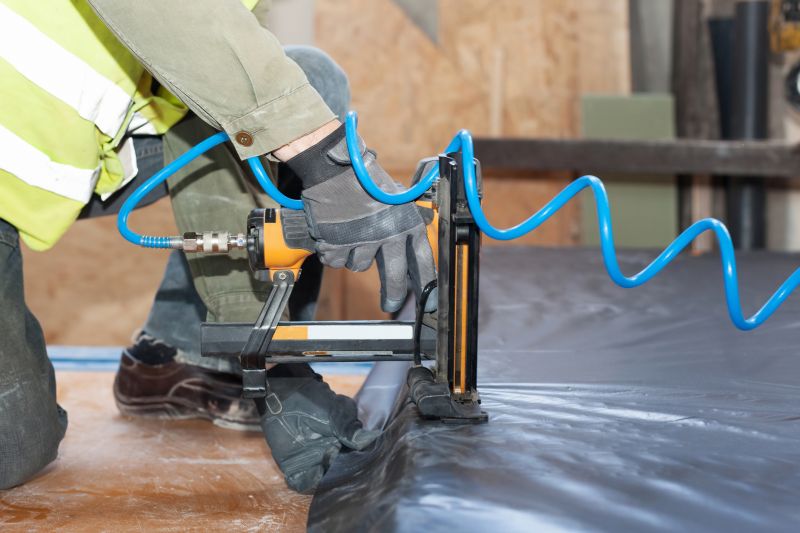
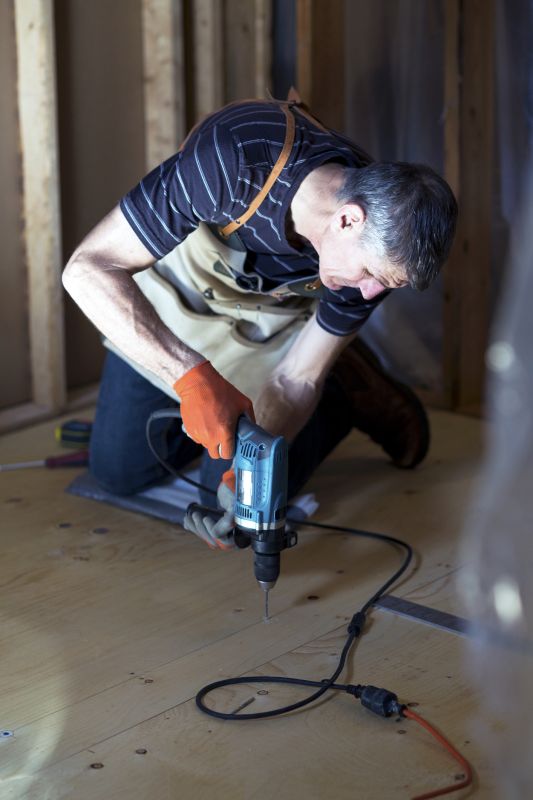
- Labor complexity: Proper installation requires careful sealing of seams and penetrations, which can influence labor time and skill requirements.
- Permitting considerations: Local regulations in Aurora, OH, may require permits for vapor barrier installation, especially in new constructions or major renovations.
- Additional options: Extras such as vapor barrier adhesives, seam tapes, and protective overlays can enhance durability and performance.