

Cost of Vapor Barrier Installation in Bedford, OH
Vapor barrier installation in Bedford, OH, typically involves selecting appropriate materials and assessing the scope of the project. Final costs can vary depending on the size of the area, the type of vapor barrier chosen, and site-specific conditions such as access and existing structures. It is important to consider these factors when estimating the overall expense of the project.
Pricing for vapor barrier installation generally includes labor, materials, and any site preparation required. Since project costs are influenced by the specific requirements and circumstances of each site, it is recommended to obtain detailed estimates that account for the scope, material choices, and site conditions to compare options effectively.
Price Range Overview
$1,200 - $2,800 (smaller scope)
$3,000 - $6,000 (moderate scope)
$7,000 - $12,000 (larger scope)
$15,000 - $25,000 (full basement)
$30,000 - $50,000 (entire building)
| Project Type | Typical Range |
|---|---|
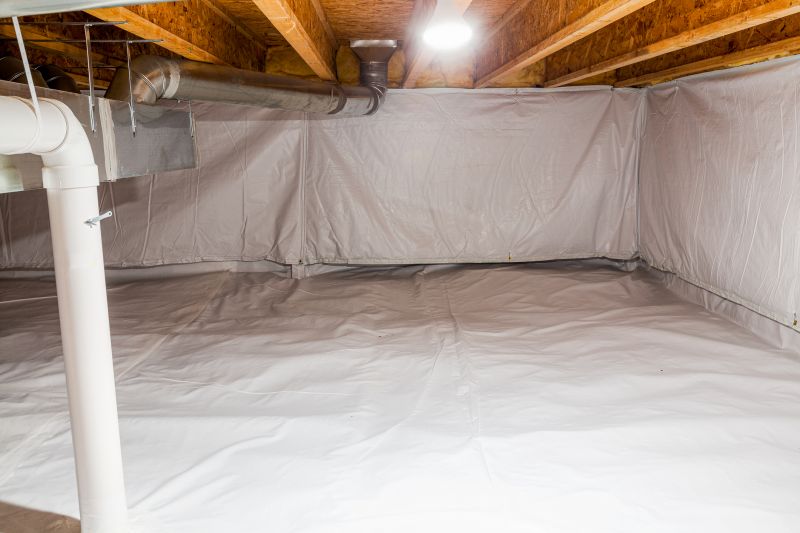
| Basic vapor barrier in crawl space | $1,200 - $2,800 |
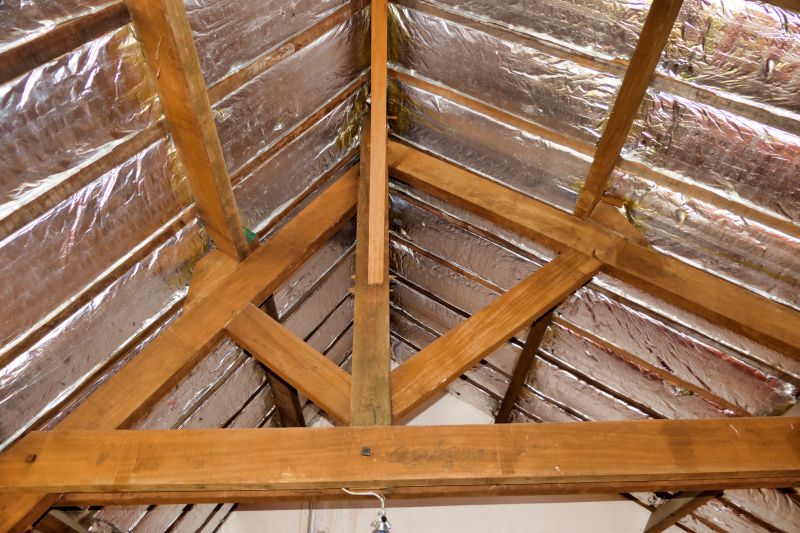
| Vapor barrier with insulation | $2,500 - $4,500 |
| Vapor barrier for basement | $3,000 - $6,000 |
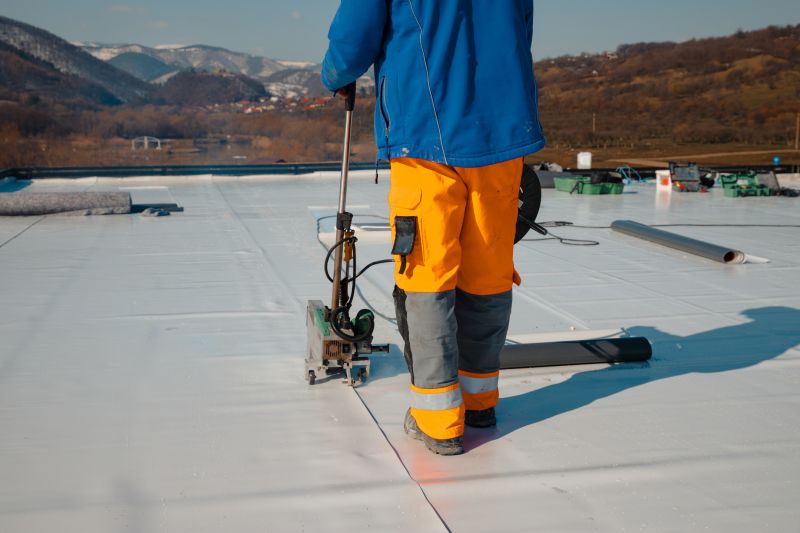
| Vapor barrier installation in entire building | $15,000 - $25,000 |
| Full basement encapsulation | $7,000 - $12,000 |
| Custom vapor barrier solutions | $5,000 - $10,000 |
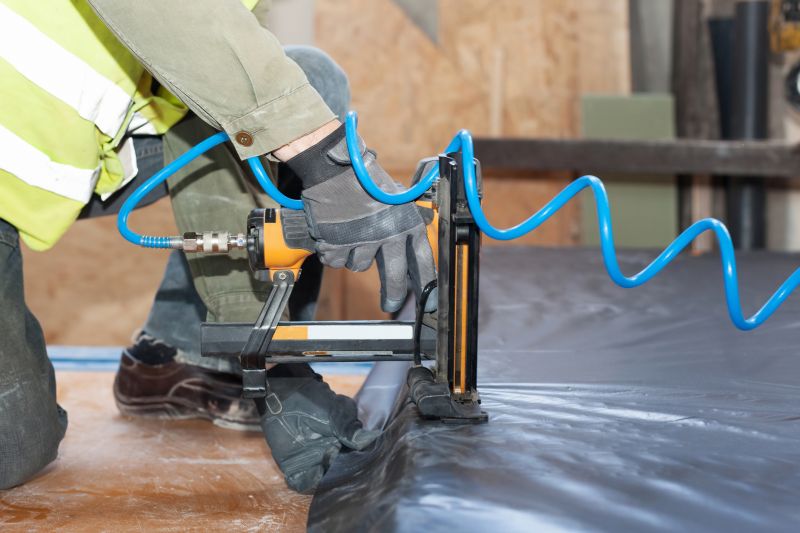
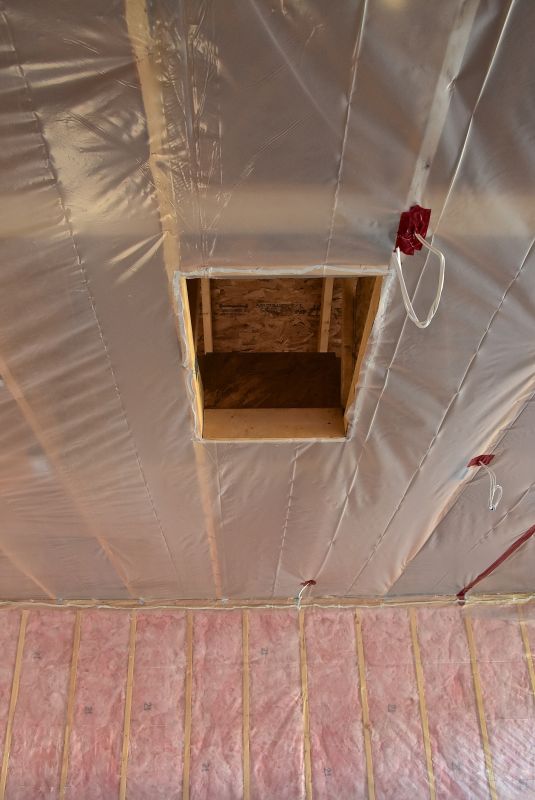

Material quality, area size, and labor impact costs.
Vapor barrier installation is an important step in managing moisture and preventing mold growth in residential and commercial spaces around Bedford, OH. Proper installation helps improve indoor air quality and protect building structures from water damage. Understanding typical project components can aid in planning and comparison.
- Materials used typically include polyethylene plastic sheeting, with thickness options ranging from 6 to 20 mils depending on the scope and moisture control requirements.
- The size and scope of vapor barrier projects vary, covering areas such as crawl spaces, basements, or entire slabs, often tailored to the specific space dimensions.
- Labor complexity depends on the area’s accessibility and existing conditions, with larger or more intricate installations requiring additional preparation and effort.
- Permitting may be necessary for certain projects, especially when work involves structural modifications or building codes require inspections for moisture control systems.
- Extras can include sealing tapes, insulation upgrades, or additional vapor retarders to enhance moisture resistance and energy efficiency.